
M-Pesa cast a long shadow. For a decade, every Kenyan startup story was a fintech story.
That era is closing. The next decade belongs to climate infrastructure, urban mobility, agricultural data, and exportable creative IP.
If you have built a serious thing in Kenya, this page is for you.
You have probably been told, more than once, that your company is too early, too local, or too unusual.
We have built Afripathway because we believe the most interesting commercial stories of the next decade will originate from the continents next innovators.
We exist to translate.
A working product, paying customers, technical co-founders.
A thesis that survives outside Kenya — even if Kenya remains the home market.
Founders who treat advice as data, not as deference.
A written brief — three pages, no deck. We read every one.

Wanjiru leads early-stage sourcing across East Africa, meeting hundreds of founders a year and shaping the firm’s pipeline thesis. She trained as an engineer at the University of Nairobi before pivoting to venture.
She runs a small writers’ circle on the side and believes the best founder conversations happen over walking coffee, not slide decks.
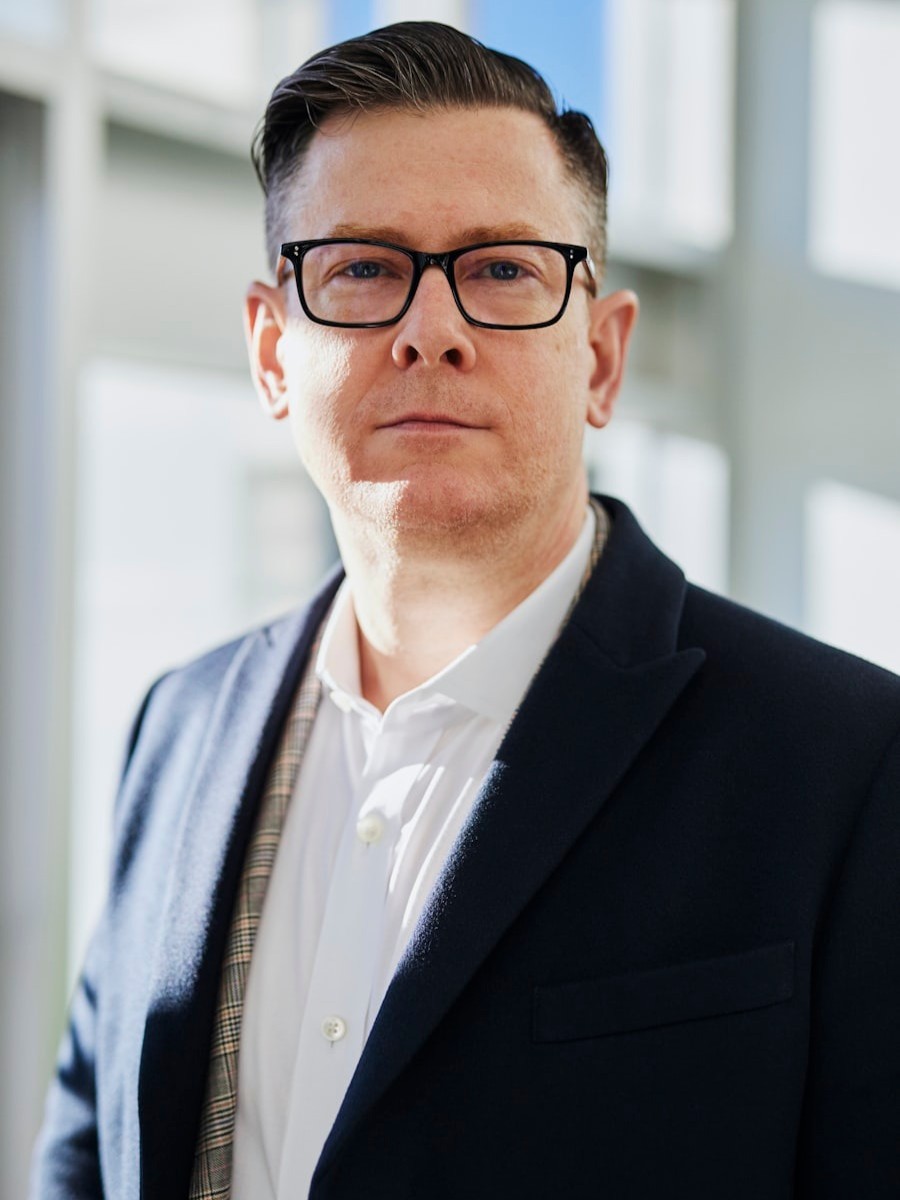
Naoise leads Afripathway’s relationships with limited partners — sovereign funds, family offices, and institutional allocators across Europe and the Gulf. He has spent his career in capital formation, previously at a global placement agent.
He reads more annual reports than is healthy and writes the firm’s quarterly LP letter.

Thabo runs Afripathway’s platform team — the operators, advisors, and networks that founders draw on after the wire lands. He has scaled commercial functions at three African unicorns and consulted for the IFC across sub-Saharan Africa.
He holds an MBA from Wits Business School and is based in Nairobi with frequent travel to Lagos, Kigali, and Cape Town.

Kwame leads Afripathway’s Nairobi office, overseeing sourcing, diligence, and founder partnership across Kenya, Rwanda, Uganda, and Tanzania. He has spent fifteen years building and backing companies in mobile money, agritech, and logistics.
Before joining Afripathway, Kwame co-founded a Nairobi-based fintech that scaled to four markets and was acquired in 2022. He sits on the boards of three portfolio companies.

Amara founded Afripathway after a decade of investing across European venture and African growth markets. Her work focuses on the structural bridges, legal, financial, and human, that allow ambitious founders to operate without borders.
Previously a partner at a London-based growth fund, Amara led investments in fintech, climate, and digital infrastructure across EMEA. She holds an MBA from INSEAD and a degree in Economics from Trinity College Dublin.
M-Pesa cast a long shadow. For a decade, every Kenyan startup story was a fintech story.
That era is closing. The next decade belongs to climate infrastructure, urban mobility, agricultural data, and exportable creative IP.
European LPs don’t want exposure to ‘Africa.’ They want exposure to specific, defensible cash-flow businesses with a clear line of sight to a regulated jurisdiction.
The founders that close are the ones who arrive in Dublin already structured, already compliant, already auditable.
For a generation, Kenyan startups looking westward defaulted to London or San Francisco. Both are crowded, expensive, and increasingly indifferent.
Ireland is something else. A common-law jurisdiction inside the EU. English-speaking. A 12.5% corporate rate. Twenty-four of the world’s top twenty-five technology firms already have headquarters within a 6-kilometre radius of Dublin’s IFSC.
Afripathway exists because the corridor between Nairobi and Dublin is open — and almost no one is walking it yet.